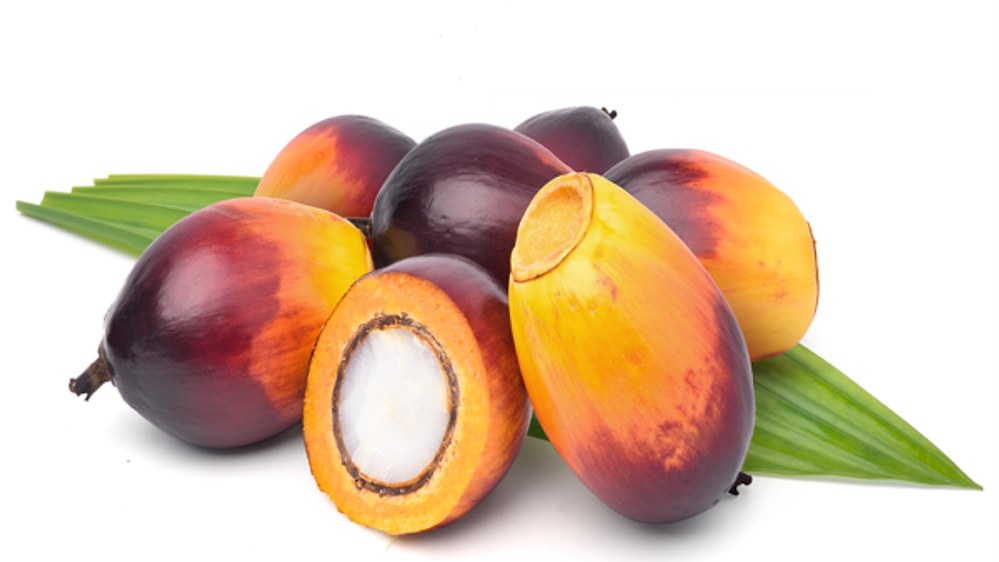
Understandin Palm Oil
Palm oil is the most traded vegetable oil in the world today. It has a naturally semi-solid characteristic at room temperature. Its melting point ranges from 36°C to 39°C, which means it does not require hydrogenation for food use. This makes it a popular choice for various food applications.
With a balanced ratio of unsaturated and saturated fatty acids, palm oil results in an edible oil that is versatile and suitable for many culinary uses. This quality is part of why RBD palm oil is favored by food manufacturers.
Diverse Applications of RBD Palm Oil
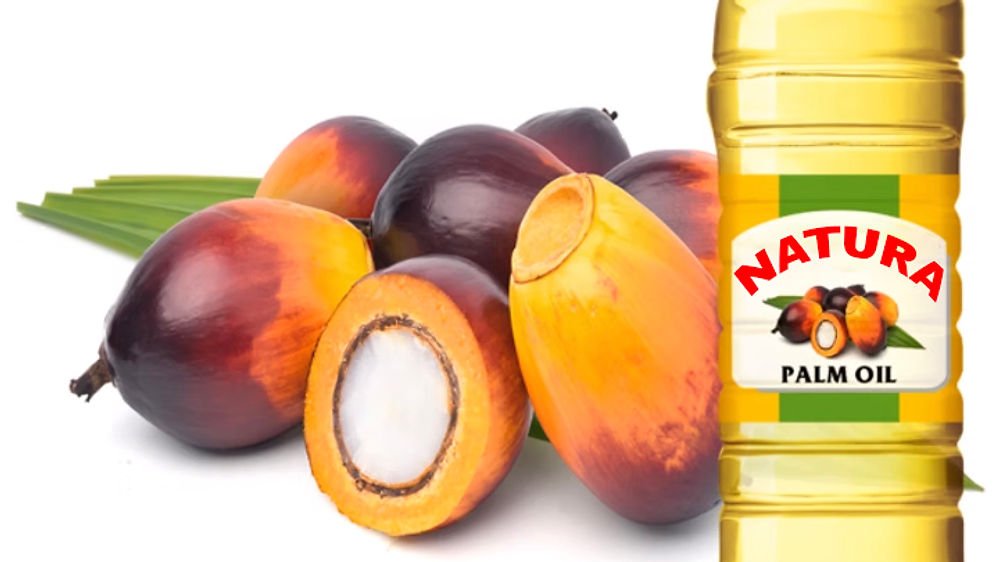
RBD Palm Oil, which stands for Refined, Bleached, and Deodorized palm oil, is used extensively in the food industry. Its applications include the production of margarine and confectionery fats. Chefs and food producers love it for its stability and consistency.
Cooking and Food Preparation
In cooking, RBD palm oil serves multiple purposes. It can be used as a cooking oil, providing a reliable medium for frying and sautéing due to its high smoke point. This makes it ideal for dishes that require high-temperature cooking.
Dairy Industry Uses
In the milk industry, RBD palm oil plays a significant role. It is used in the production of various dairy products. This includes sour cream, cheese, cream cheese spread, and condensed milk. The oil’s unique properties enhance the texture and flavor of these products.
Bakery Applications
RBD palm oil is also a favorite in the bakery sector. It is commonly used in baked goods to improve texture and extend shelf life. The oil provides the necessary fat content for creating flaky pastries, moist cakes, and crumbly cookies.
Health Considerations
When considering palm oil, health plays a crucial role. It contains vitamins A and E, contributing beneficial nutrients to the diet. However, it is vital to consume oil in moderation. The balanced fatty acid profile of palm oil can support heart health when used as part of a varied diet.
Sustainability Issues
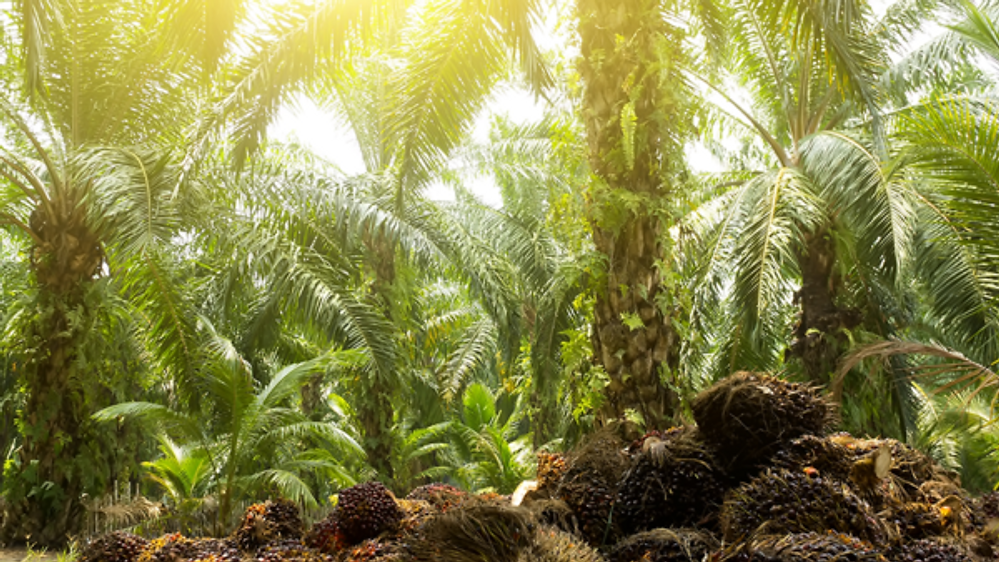
Sustainable sourcing of palm oil is essential in today’s market. Many consumers are increasingly aware of the environmental implications of palm oil production. It is crucial to choose products certified by organizations promoting sustainable practices. These certifications help ensure that palm oil is sourced responsibly.
The Role of Consumers
As consumers, our choices can drive demand for sustainably produced palm oil. By opting for certified products, we encourage manufacturers to adopt environmentally friendly practices. This small change in buying habits can lead to a more sustainable future for palm oil production.
RBD palm oil holds a significant position in our food chain. Its versatility and adaptability make it a staple in various industries. From margarine to dairy products, this oil is integral in many items we consume daily.
For more information on how palm oil can benefit your culinary needs, visit this link. This comprehensive understanding aids consumers in making informed decisions while also promoting sustainability within this important industry.